“…with complete lockdowns imposed in all cities to contain the spread of COVID-19, all commercial, professional and recreational activities will be curtailed in accordance with strict government mandated instructions.”
For Ghazanfar Azzam, CEO of Mobilink Microfinance Bank Limited (MMBL), the largest digital bank in Pakistan, the news of ever-increasing lockdowns and quarantine requirements presented the business challenge of a lifetime for the survival of his organization and those of millions of lower- and middle-income strata Pakistanis that formed the core customer base of MMBL. These were the daily wage earners, SME businesses, agri-farmers and small shop owners who were the major contributors to the nation’s GDP and formed the backbone of Pakistan’s economy. Ghazanfar Azzam knew that the strict lockdown conditions that had to be imposed due to the ongoing pandemic could cause irreparable damage to the livelihoods of innumerable households and had the ominous potential to bring the economic wheel of the country to a grinding halt.
Although the news was troubling, as the CEO of a prominent financial institution, which was specially focused on banking the unbanked and promoting financial inclusion in the country, he knew it was time for decisive and impactful action. Steps taken now could make or break the lives of millions and had the potential to contribute towards steering the future of Pakistan’s economy in the right direction. One thing which was clear as daylight for him was that the old ways of doing business could no longer be sustained. The ‘new normal’ as it was being called, was here to stay and organizations, workers, customers, and the wider business community would either have to adapt or perish.
He knew the responsibility for driving this change rested on the shoulders of key business leaders in the country like himself. They had to come up with solutions to help support the economy and they had to do it fast. With this crisis mitigation strategy beginning execution in 2020, a more focused and holistic approach needed to be employed for the coming years as well. The efforts done to curb the negative consequences of the pandemic should be incorporating adaptability to overrule traditional modes of operation and make way for a transformed, more sustainable industry for the future, ideally led by digital initiatives at the core.
Banking and Microfinance Industry Overview
Since its inception in 1947, Pakistan has had a rich and unique journey towards the formalization and regulation of the financial sector. With the establishment of the State Bank of Pakistan in July, 1948, the commercial banking system of the country was officially underway. As more amendments and additional responsibilities were entrusted to SBP, the private sector was encouraged to establish banks and financial institutions.
Slowly and steadily, the nationalization and privatization of banking was pioneered in the country leading to more local investments and foreign market interest as well. Later, Islamic Banking would take root, spurred on by the religious and cultural sentiments of the masses vis a vis formal financial institution - a challenge that remains rampant to this day despite the remarkable strides in service provision over a period of 7 decades.
The advent of the microfinance industry in Pakistan began in the early 1980s in northern Pakistan. With the success of this first establishment, its model was then replicated and implemented in other parts of the country in the 90s. With time, more interest grew in this rapidly growing sector and more developments followed in the coming decades; leading to the microfinance industry in 2022 now comprised of 11 microfinance banks and 13 microfinance institutions spread across the country.
In the beginning of 2020, Pakistan’s banking and financial industry was undergoing a steady adoption of digitization with some sporadic interventions to enhance financial literacy and enable inclusion for the unserved and underserved masses. With the world moving towards complete digitization of life, this was the next logical step for Pakistan as well.
Mobilink Microfinance Bank
Mobilink Microfinance Bank, despite being significantly younger than most of the other players in the banking and financial market of Pakistan, had always stood out as an innovative organization committed to enhancing access to digital financial services and customizing them to fit the varying needs of the diverse population in the country.
Established in 2012 as Waseela Microfinance Bank, MMBL had humble beginnings with a handful of branches and limited branchless banking services. With time, more branches were inaugurated, and more branchless agents were onboarded to aid customers with their requests for growing financial products and services. From the very start, this hybrid model was part of what set the Bank apart as a revolutionary thought leader in the market.
2016 brought with it some great changes. The organization was formally rebranded as Mobilink Microfinance Bank to highlight its affiliation with the largest telecom operator in the country, Mobilink (now Jazz) and their joint product, a digital mobile wallet offering digital payment options for their customers, was boosted with a plethora of new branchless banking solutions, offering greater flexibility and reliability to access capital. Now parented by VEON Co., Mobilink Microfinance runs on a foundation of several basic values that help chart the course for all its business endeavors. These values include Collaboration, Truthful, Innovative, Customer-Obsessed & Entrepreneurial.
From here the expansion became more rapid with the potential to serve more and more people across the nation. MMBL’s product portfolio, human resources and assets saw incredible enhancements during the next four years.
COVID-19 Pandemic
When the pandemic reached its climax in the middle of 2020, it impacted everything and everyone. With lockdowns across the nation to control the spread of the virus, businesses, shop owners, daily wage earners were affected badly. MMBL customers, like others, were no different. Struggling to make ends meet for daily sustenance, the requirements to pay back loans made matters even more complicated for them. To balance the financial viability of the Bank, it was important to not only support customers in these testing times but also steer the future direction of the organization – the pandemic was here to stay!
With an experienced team of executives guiding the MMBL ship, the Bank was not only able to keep true to its course but innovated and explored more exciting avenues during the process. As Ghazanfar had suggested during their initial meeting at the start of 2020, rapid digitization turned out to be the key strategic pillar that bolstered MMBL’s continuous efforts to support its customers and keep promoting financial inclusion during the peak pandemic period.
The values that were leveraged greatly in mitigating the pandemic included the Bank’s innovative focus and ever-present customer-centricity. Loan repayment relief was arranged for struggling customers, more digital banking services were added to the mobile wallet to offer the masses the flexibility to do banking directly from the comfort of their homes, digital signatures were facilitated for remote account opening and new products geared towards sustaining MSMEs were launched.
Digitization at The Forefront – The Launch of DOST
Since beginning operations, Mobilink Microfinance Bank has always strived to carve out a special niche for itself in the market in terms of its exceptional focus on promoting digital means of accessing daily financial services in a seamless and inclusive manner. As a result, over the years through many intriguing projects and developments, MMBL has successfully become the largest digital bank in the country, its name now synonymous with innovation, digitization, and convenience.
Ghazanfar had a unique opportunity now to build upon his company’s existing digital prowess, serve more customers and help them sustain their livelihoods holistically. All he had to do now was figure out the best course of action and rally his workforce, develop their skills accordingly and deploy solutions for customers across the country. This led to DIGITAL - now recognized as the great equalizer, becoming MMBL’s sole focus to help pick up the pieces of a crumbling global economy in the midst of COVID-19. This particular channel offered everything that was need of the hour - no physical intervention needed, enhanced accessibility with little to no additional cost, customer comfort and most of all, safety.
In 2020, the cellphone penetration in Pakistan stood at approximately 80% for each cluster of 100 citizens. This exciting scenario highlighted the fact that people in Pakistan are more tech-savvy than is generally believed and if offered, they can easily adapt to the digital way of life. (Exhibit 1.1)
With these realizations, the MMBL team got straight to work to strengthen its existing digital infrastructure and create new solutions simultaneously. One such solution came in the form of a premium digital financial services application, DOST (Friend), and what a friend it became indeed, for customers and members of the MMBL family alike.
“This latest innovation is driven by MMBL’s long-term commitment to deliver unparalleled access to top- notch banking and finance facilities to enable and empower our customers. Similar to a trusted friend, ‘Dost’ will always remain close and readily available to users in times of pressing need and further strengthen our connection with our valued customers. I believe this new addition to our digital ecosystem will also be instrumental in fostering financial inclusion in the country, which is a key strategic priority for us. I congratulate the MMBL team for this remarkable success.”, said Ghazanfar at the successful launch of DOST.
DOST app was launched to the public in July of 2021. After nearly a whole year of hard work, this remarkable platform was made available to all customers and had the capability to support digital account opening, digital lending, digital loan repayments and rescheduling and more.
Speaking of rescheduling, the State Bank of Pakistan had also directed its regulated bodies to offer relief to borrowers as they would have great difficulty in repaying their loans timely due to the economic turmoil ignited by the pandemic. This rescheduling, as mentioned before, was also done digitally through DOST. Additionally, the Bank understood that most of its expansive target market was situated in a lower income stratum, unable to afford the bells and whistles that come with smartphone usage.
This is why, in a unique and sympathetic move, MMBL also established and boosted its USSD code-based infrastructure whereby customers with feature phones could easily perform basic banking and financial operations and avail/repay loans as well.
Women Empowerment
Operating in a country where half the population is comprised of women who remain, for the most part, underserved or unserved by the formal financial sector, banks and financial institutions all over Pakistan have grown wise to the fact that the economic prosperity of the nation cannot be achieved by excluding half of its citizens from participation.
Despite making incredible progress towards financial inclusion, women and other vulnerable segments remain largely overlooked. These circumstances were rightly addressed in the State Bank of Pakistan’s recent Banking on Equality policy which urges all banks and Microfinance institutions to actively serve female and differently abled customers.
Mobilink Microfinance Bank has always held a strong Diversity & Inclusion (D&I) focus in all aspects of its operations and several female-centric financial offerings are well-performing products of the Bank’s diverse portfolio. One such product is the Bint-e-Hawwa (Daughter of Eve) Current Account and Business Loan, which have been particularly devised to address the unique needs of Pakistani women and offer them the most seamless and accessible financial services. MMBL’s unique products have uplifted hundreds of women into financial independence and allowed them to become successful business owners and entrepreneurs.
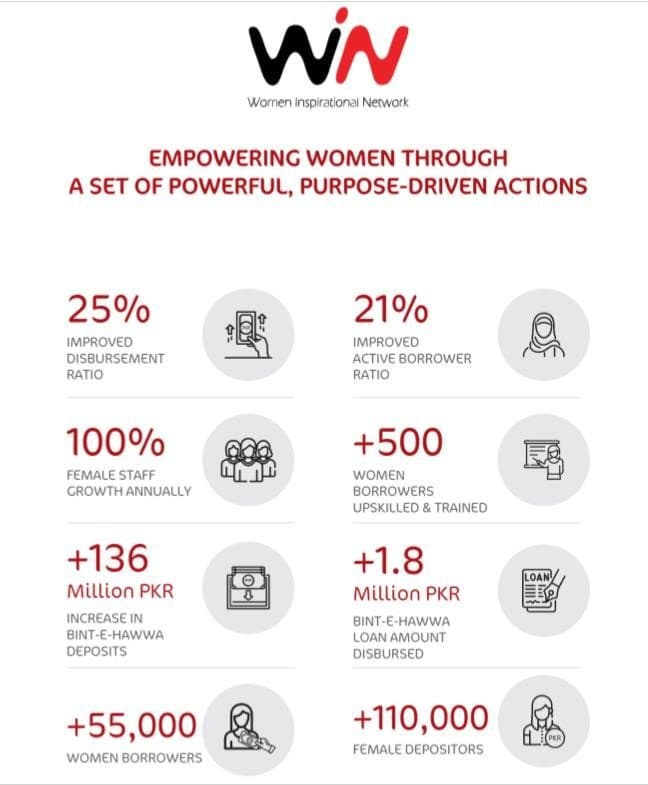
Additionally, the Bank also regularly conducts training activities under its flagship Women Inspirational Network (WIN) program which is devoted to holistic female empowerment through financial services and literacy across the nation. (Exhibit 1.4)
MMBL’s award-winning Humqadam program offers differently abled people with exciting professional opportunities and capacity building avenues by onboarding them in various departments and training them to build their careers in the financial sector for an independent and sustainable future.
The Options
With the announcement of lockdowns, the pandemic had officially arrived in Pakistan, and Ghazanfar and his team of executives were having a fire call meeting to discuss the way ahead for the organization.
“How can we offer relief to our customers? Lockdown means closure of businesses and loss of income! We have less than 100 physical touchpoints, but they are not enough to reach out to the masses who will need immediate financial assistance from us, more than ever before.”
A flurry of suggestions poured in from the executive team. But Ghazanfar knew that as a leader, he needed to set the direction for the way forward. The team contemplated the following options for what approach could be employed for the way forward.
At the peak of the pandemic, Ghazanfar and his executive team should eradicate their physical brick- and-mortar structures and focus solely on digital channels of financial inclusion. What marketing and communications strategies could be employed to boost the Bank’s crisis mitigation plan?
The team should move forward with a hybrid model of financial inclusion with traditional physical and digital avenues going side-by-side. The focus can vary in ratio depending on the need assessment of the customers at any given point in time. How can the Bank promote its hybrid model to enable financial inclusion using traditional, digital or experiential media?
Exhibits
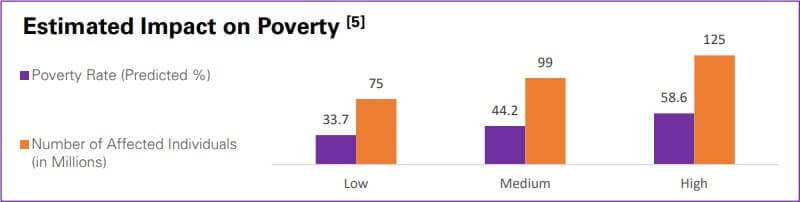
Exhibit 1.1 (Source: KPMG https://assets.kpmg/content/dam/kpmg/pk/pdf/2020/05/Impact-of-COVID-19-on-Pakistan%27s-Economy.pdf)
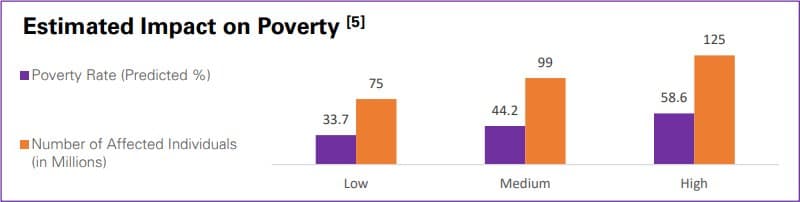
Exhibit 1.2
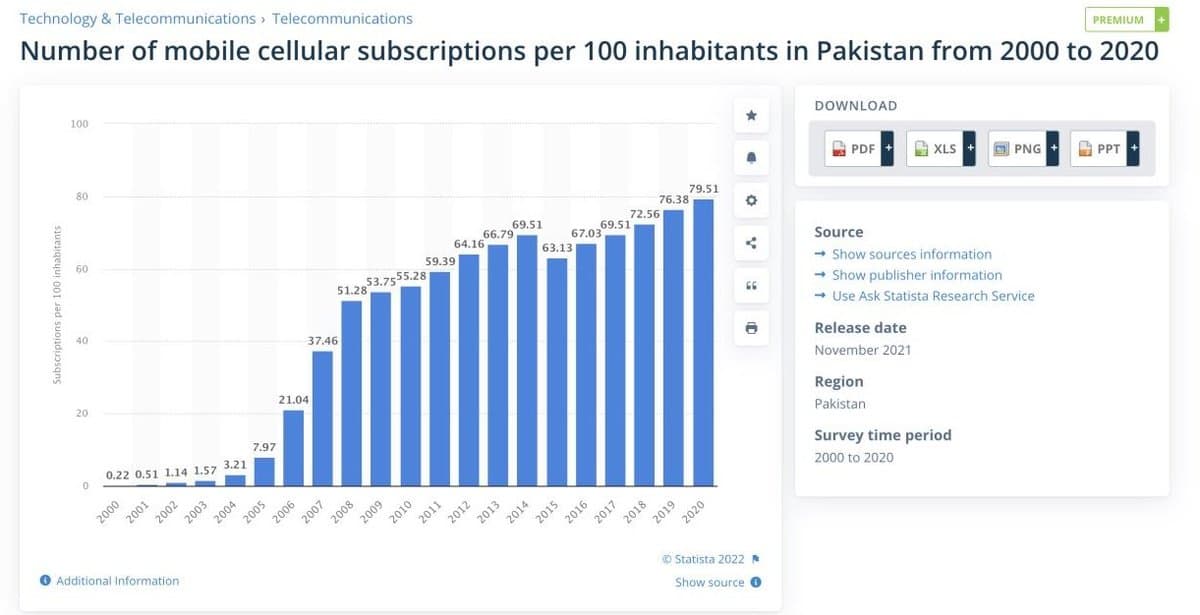
Exhibit 1.3 (Source: KPMG https://assets.kpmg/content/dam/kpmg/pk/pdf/2020/05/Impact-of-COVID-19-on-Pakistan%27s-Economy.pdf)
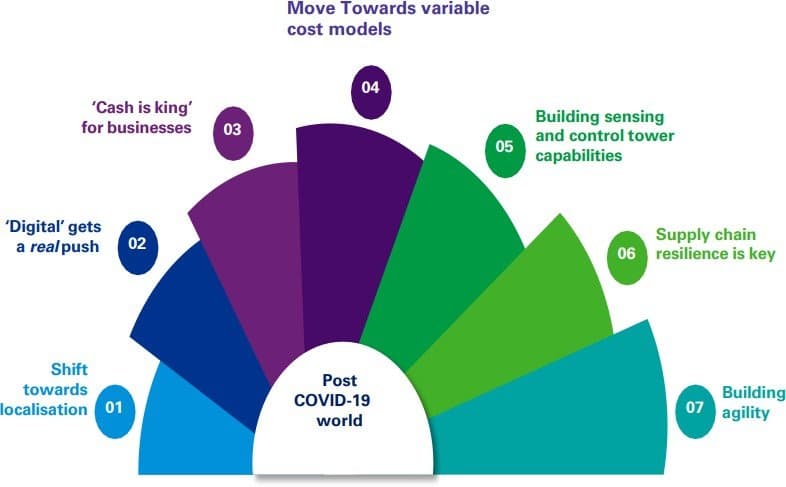
Exhibit 1.4
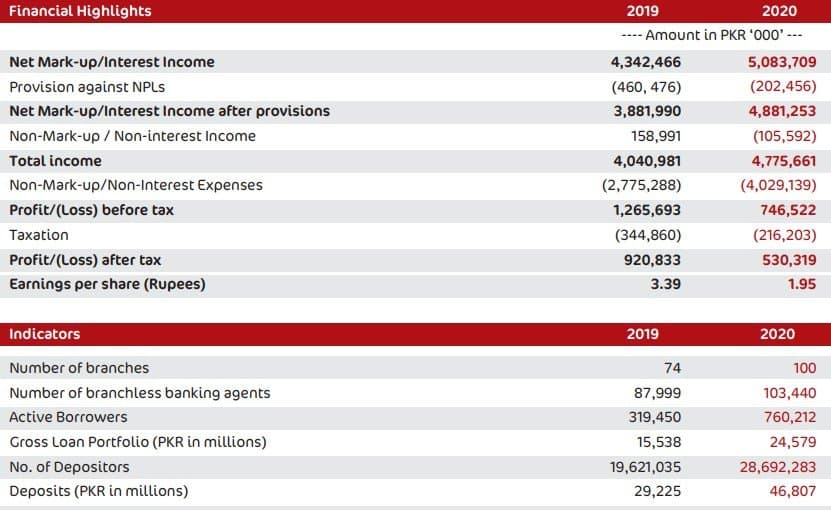
Annual Report 2020
Balance Sheet
As at December 31, 2020
Links and media
Website: https://mobilinkbank.com
What do you do when the entire industry (digitalized banking) is growing, the demand from the customer for convenience is also growing, but so is the competition? BankIslami One Touch Banking not only made customer convenience its top-most objective. It also offered 12 products or services as mentioned in the case. In addition, it realized that if key information did not reach its primary stakeholders (brand staff) it would fall short of its goal. It ensured that this gap in knowledge transfer was filled. In parallel, it positioned its offerings as “Your Thumb is Your Bank” and used a 360-degree communication strategy by opting for both traditional and digital channels to access a large customer base. It also deployed brand ambassadors to add value to its services. In some cases, it also used branch branding (Dr. Aamir Khan, Case Advisor).