
Chapter 2 is all about marketing research. This is what BAYS International Makeup City did in order to find out and map consumer trends. Are Pakistani women who work becoming more independent? Do they have sufficient disposable income to spend on their personal needs? What are the recent trends in the fashion and beauty industries? What is the target market’s social media access through smart phones? Has the smart phone made these women more self-conscious and thus raising demand for cosmetic, beauty and personal care products? Makeup City, relied on research, but also implemented marketing strategies around CRM and SFA, and HR strategies around KPS (Dr. Aamir Khan, Case Advisor).
Sitting at the regional office at Tariq Road, Karachi, the CEO, Bays International, Mr. Sohail Ahmed was sipping tea while he looked down from the window on the 6th floor. The traffic was congested on one of the busiest roads of Karachi. He was waiting to be joined by his two sons Ammar and Bashar, who were probably stuck in traffic. The traffic jam had become an inevitable challenge no matter whichever route to the office was taken. This reminded him of the challenges he faced since the time the company was incorporated 25 years ago.
For their SBU Makeup City, some of the challenges ranged from high operating expenses, low marketing and advertising budgets to less awareness in the target market and restricted growth competencies. But steadily they were able to overcome all these hurdles and were finally able to make a name in the market. Not only that but after the increased taxes levied by the Government of Pakistan in 2017 on luxury goods, the company was successfully able to strategize to respond to this challenge as well. His gaze fell on the award resting on his shelf, awarded to Makeup City for being "the best emerging brand of the year" in 2015 and 2017. He realized that every year brought its challenges, and the formula for success needed to be strategized accordingly.
At the moment his mind was engrossed in thinking about the competition by a high number of local and foreign chains that have entered the market. He couldn't help thinking about the possible price war with the local chains, coupled with changing profile of the target market, which now constituted "millennials”; a generation whose purchase decisions were impacted by their mindset of ethics and sustainability of the environment.
Cosmetic Industry of Pakistan
In Pakistan, the cosmetic/beauty industry is primarily women-oriented but lately has focused on male grooming as well (Bays International, 2019). Skincare products including oral hygiene, hair products, antiperspirants, perfumes, and feminine cleaning products dominate the cosmetic industry. The growth of small salons, the fashion industry, and the demographic changes in the target market have been most contributive towards the industry growth. The industry prospered in urban, and semi-urban territories of the country as the awareness about grooming and the availability of quality brands increased.
Globally the cosmetic industry has increased from $483B in 2020 to $511B in 2021, with an annual growth rate of 4.75%1. It is predicted to surpass $716B by 2025. The expansion of the global industry has been mainly through the penetration of digital channels, and has made the beauty products easily accessible to the masses.
Makeup City
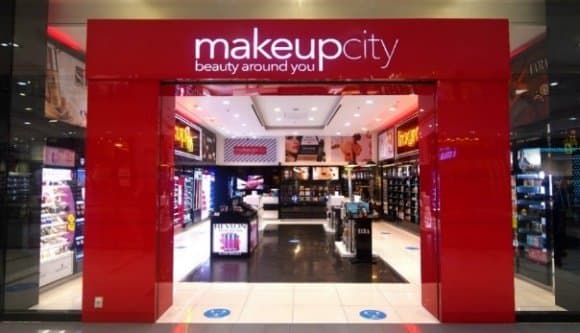
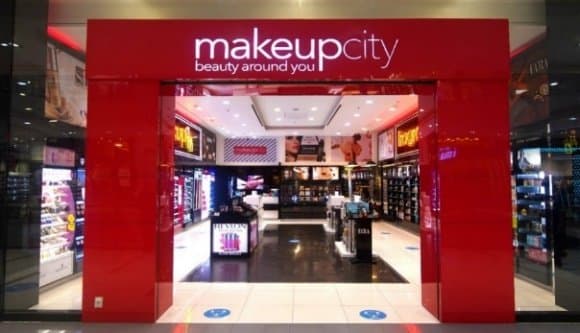
The company was founded in 2002 with the offering of bringing well-known international personal care brands under one roof, reaching out to the top-tier consumers in the market. Since the beginning of its first flagship store in DMC, Karachi, it has come a long way earning its reputation as a pioneer in the beauty market, with its innovative and entrepreneurial spirit. Currently, it has over 30 shops and franchises in 17 cities. They claim "beauty is in our DNA" by presenting a revolutionary beauty retail concept that is characterized as a unique open-cell environment with an ever-increasing assortment of products from carefully curated brands, trusted classics, and all international brands.
The company considers itself to have contributed immensely to the development of the beauty industry in the country. Other than Makeup City, BLS (British Lingerie Studio) is another venture of Bays International in the fashion retailer that offers female undergarments. Femina Beauty Academy was a forerunner in imparting training for makeup and grooming, where the experts of the field coached makeup professionals (Bays International, 2019).
Competitors
In Pakistan, the international brands of cosmetics dominated the market, but quite a few local brands were also making their way into the market.
Lately, some of the local brands like Faiza Beauty Cream have invested heavily in advertising and have dominated the lower-middle and lower class. A seminar on the beauty industry that was organized jointly in 2017, under the China-Pakistan Economic Corridor (CPEC) explored the business and trade opportunities in the cosmetic industry of Pakistan. Several Chinese traders had expressed interest in establishing businesses in Pakistan, which would provide employment opportunities but also create competition (Bays International, 2019).
So far, the competition in the beauty industry in the country has been healthy. Both local and international brands have engaged in ATL (above the line) and BTL (below the line) marketing, and have their presence in the market through promotional campaigns and launches. Sohail Ahmed considers the Pakistani market as hyper-competitive, as there are no restrictions on imports. The entry barriers are low and hence new entrants can easily set up a cosmetic company. Hair and skin categories are easier to enter than makeup category. Furthermore, the availability of counterfeit products and grey channels also increases competition.
Consumer Trends
Asima Haq, Director, Personal Care, Unilever Pakistan stated “Pakistani women are looking for solutions with natural goodness because they have grown up with “totkas” (i.e. home remedies) about how herbs boost beauty. The modern consumer wants a specific benefit (fairness, for example) through natural elements.” In Pakistan, people have become more mindful of their hygiene and their need for personal care products has risen.
More women who enter the workforce are becoming financially independent and have sufficient disposable income to spend on their personal needs. Per capita income has risen along with urbanization. The trends of fashion and beauty have changed lifestyle needs, and have made the aesthetic appearance more culturally acceptable. Access to social media through smartphones has been most contributive towards self-consciousness, resulting in the increased demand for cosmetic/beauty and personal care products.
Since the Pakistani population is youth-dominated, they are even more concerned about self-grooming and appearance. The consumers who are price sensitive switch to either less differentiated products or smaller SKUs. They either reduce consumption or move to a cheaper brand. The other price-insensitive consumer prefers quality and does not mind paying a high price for it. For most urban women, the purchase of beauty products has become an integral part of their monthly purchases, and that's why the hypermarkets and high-end grocery stores like Al Fatah and pharmacies like D Watson are an ever-increasing source of competition for Makeup City.
Marketing Strategy and Branding
In the last five years, a surge in demand for beauty products by the target market has been witnessed, who use the online channel for their purchase. So, the real challenge remains engaging them with a wide variety of high-quality products. Initially, the parent company, Bays International imported an assortment of international brands and distributed them through more than 160 distributors, which delivered countrywide. Later, the company went on to make changes in the hierarchical structure by stepping into the retail sector, and hence Makeup city came into being. Currently, Makeup City continuously aims at incessantly engaging the customers, by pricing the products competitively. The price level at these outlets is the same as the open market, and the company covers the retail expenses from the distributors’ margin previously given out.
The sales representatives at the stores receive training at the Femina Beauty Academy which is another SBU of Bays International. Consumer research tells them that customers are satisfied by the professional guidance and knowledge extended by the sales team. The sales teams are frequently trained, and their knowledge and expertise are continually upgraded.
Since the Sales team is in constant interaction with the customers, they are more aware of the taste and preferences of the market segment. They provide consumer insights and varying market dynamics to the company. The sales and marketing head carries out market research regularly to monitor the competitors and collect consumer insights from the sales staff. These details are then shared with the management in monthly meetings. The management has been planning to launch some sort of loyalty cards for the regular customers, to retain the ones who could potentially switch to the competitive brands. The sales team is constantly incentivized to maintain a long-term relationship with the customers, thereby increasing customer loyalty and brand equity.
Technological Innovation
Bays International is focused on providing quick technological solutions to everyday business decisions. They have implemented CRM (Customer Relationship Management) system, which maintains information specific to every customer’s purchase record so that relevant product launches or details can be communicated to the right customer. This has greatly helped them gain deep insights about their customer base, in terms of their purchase behavior, and at the same time maintain a constant interaction with them. Information from CRM helps them in another automation SFA (Sales Force Automation), which stores sales data, achievement of targets by the sales team, and provides information about key customers.
The company has KPM (Key Performance Management) system in practice as well which is linked with salary, and the line manager evaluates the performance of each sales personnel. Monthly meetings are regularly held to monitor desired and actual sales performance and all departments such as marketing, supply chain, training, etc. were communicated. These departments also discuss product launches and innovations and ensure that relevant information and knowledge are shared with all concerned personnel. The behavior and culture of the company especially the marketing and sales department has kept pace with the evolving dynamics of the market and external environment.
Way forward
Mr. Sohail Ahmed had planned to discuss the marketing strategies for the years 2022 and 2023 with his sons, Ammar, and Bashar today. He wanted to take the input from the fresh blood of the company, considering they are both millennials. He made a list of the pertinent issues that he wanted to address, such as high employee turnover especially sales team, possibilities of expansion in the product/services line, increase penetration in the rural and semi-urban segment, and increasing awareness and trials amongst the new consumers. The presence of counterfeit products and infiltration due to smuggling was another challenge to deal with. Covid-19 had resulted in a series of lockdowns in the country and many local and foreign chains had received a great response from online sales.
He was hoping to discuss with his team what strategies could be devised to tap the ever-changing social trends. He thought the marketing team could be directed towards gathering consumer insights, but should digital methods be adopted? He wanted the views of his sons about how the social media channels like Facebook, YouTube, and Instagram could help in reaching out to the customers. He pondered if the product offerings to men could be restructured and given greater attention. He also realized that organic and Halal-certified beauty products were catching a lot of attention.
Just at that moment, he received the message that Ammar and Bashar along with the Marketing & Sales heads had arrived and were waiting in the conference room. Mr. Sohail Ahmed gathered his notes and headed to the conference room. The future lookout of Makeup city heavily depended on today's meeting and the decisions taken today.
Questions to stimulate conversation on the case
- Applying the concept of Porter’s generic strategies, which strategy is best suited for Makeup city and why?
- Keeping in mind stores like Alfatah, Imtiaz store, and D Watson, where an assortment of beauty products is available, what strategy can Makeup city pursue to increase footfall and eventually purchases leading to brand loyalty?
- Considering the intensive strategies, how can the millennial market be served better under the lens of ever-changing social trends?
Links and media
https://commonthreadco.com/blogs/coachs-corner/beauty-industry-
cosmetics-marketing-ecommerce
Bays International. (2018). An Overview of Bays International. http://www.baysinternational.com
Bays International. (2018). History of Bays International. http://www.baysinternational.com/history
Market Research. (2020). Make-Up and Skin Care Product Market in Pakistan. https://www.mar- ketresearch.com/Global-Research-Data-Services-v3891/Skin-Care-Product-Pakistan- Size-9839420/
Pakistan Cosmetics Manufacturers Association. (2019). An Overview of
Cosmetics Industry Pakistan. http://pcma.com.pk/